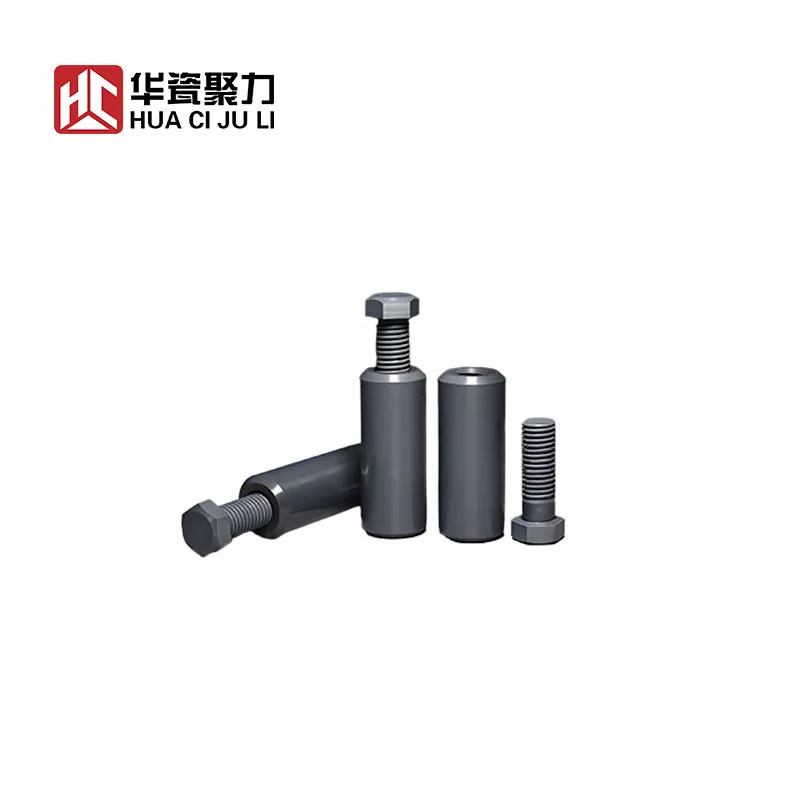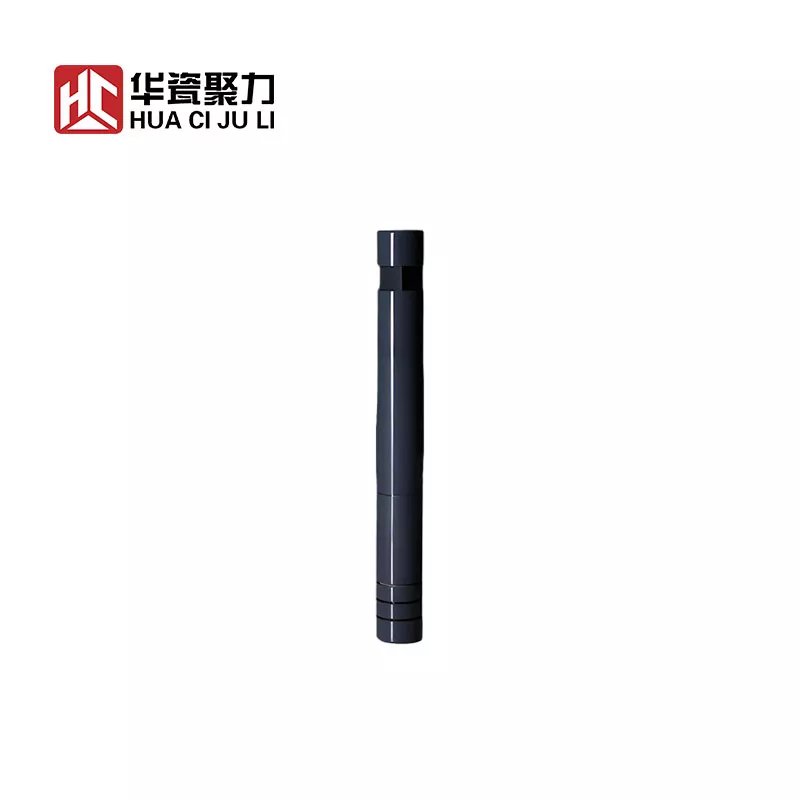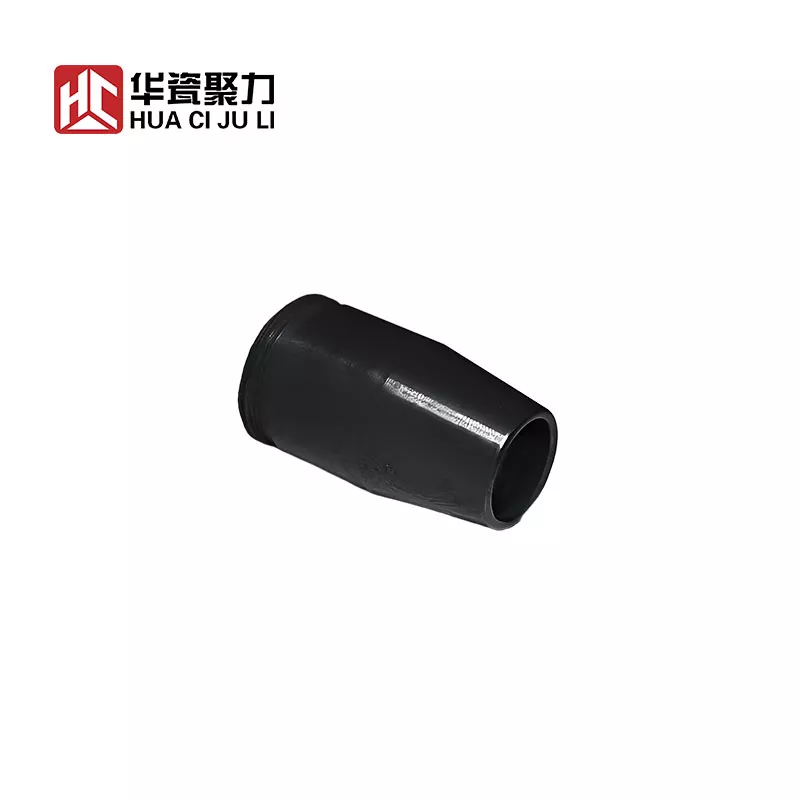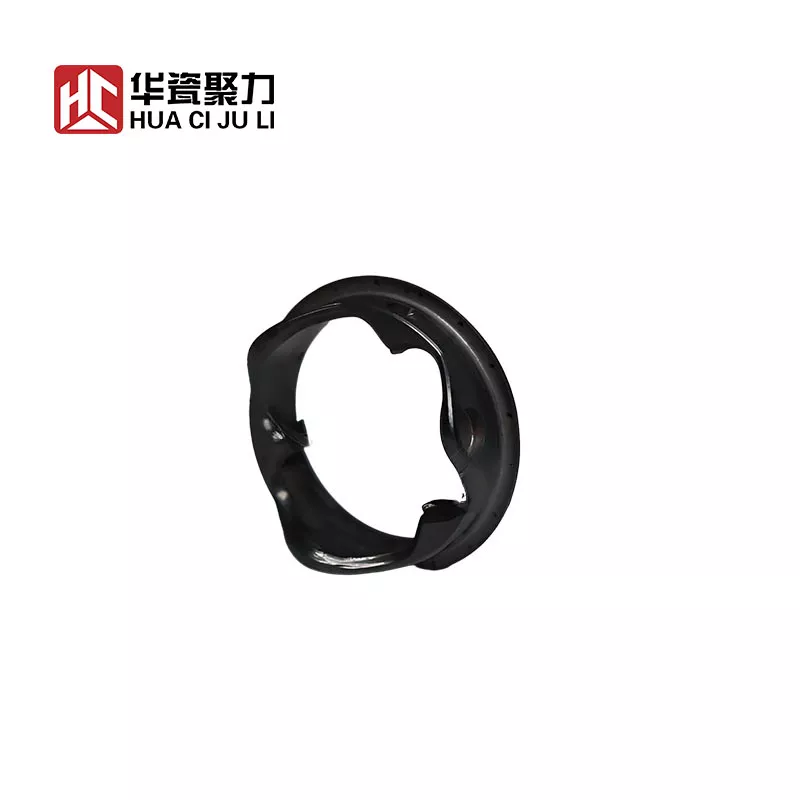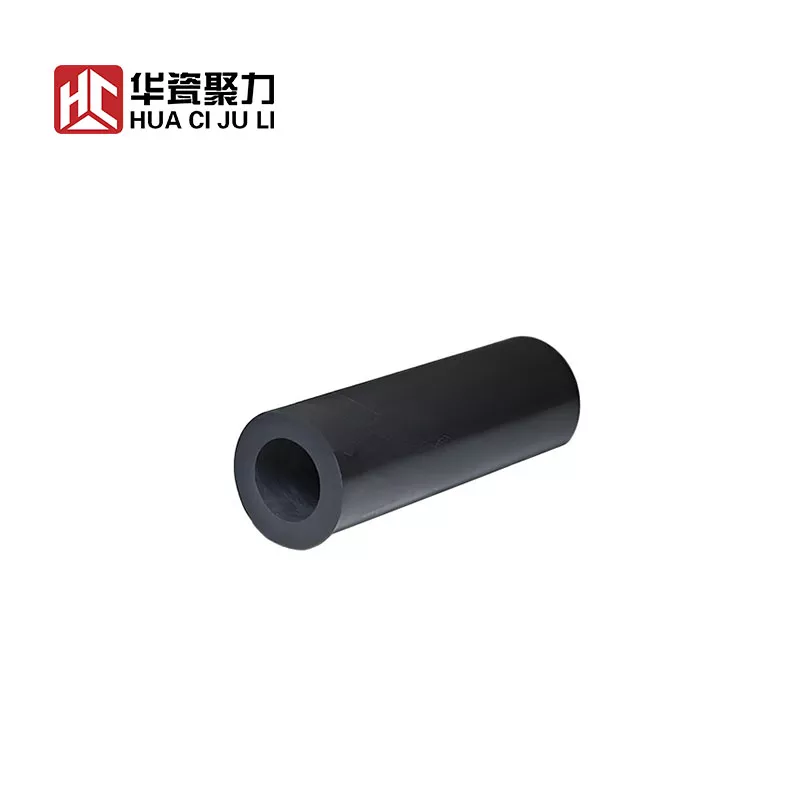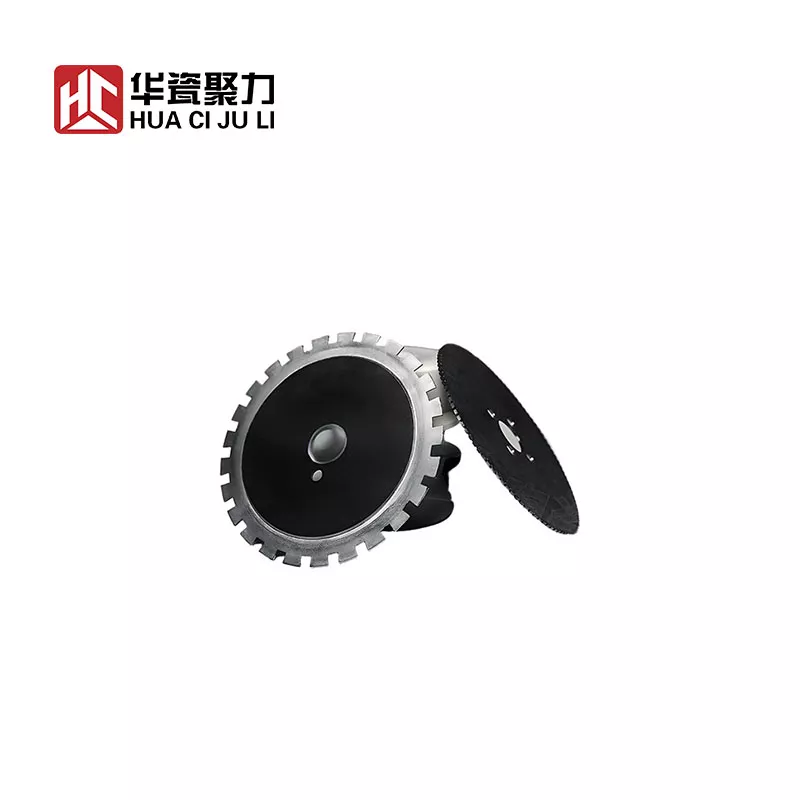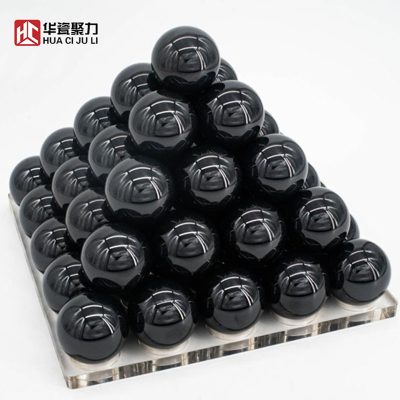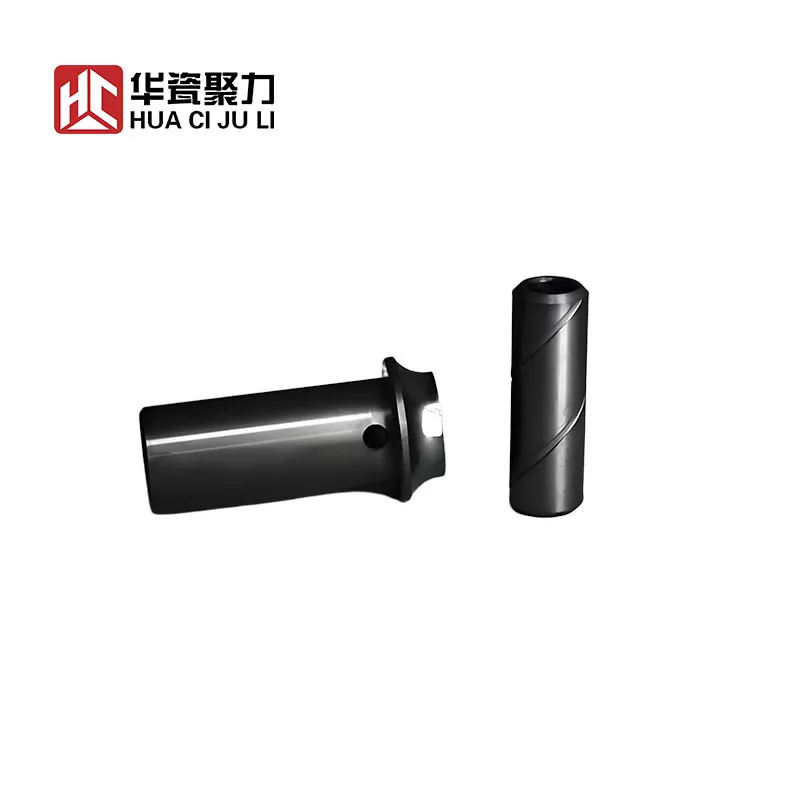



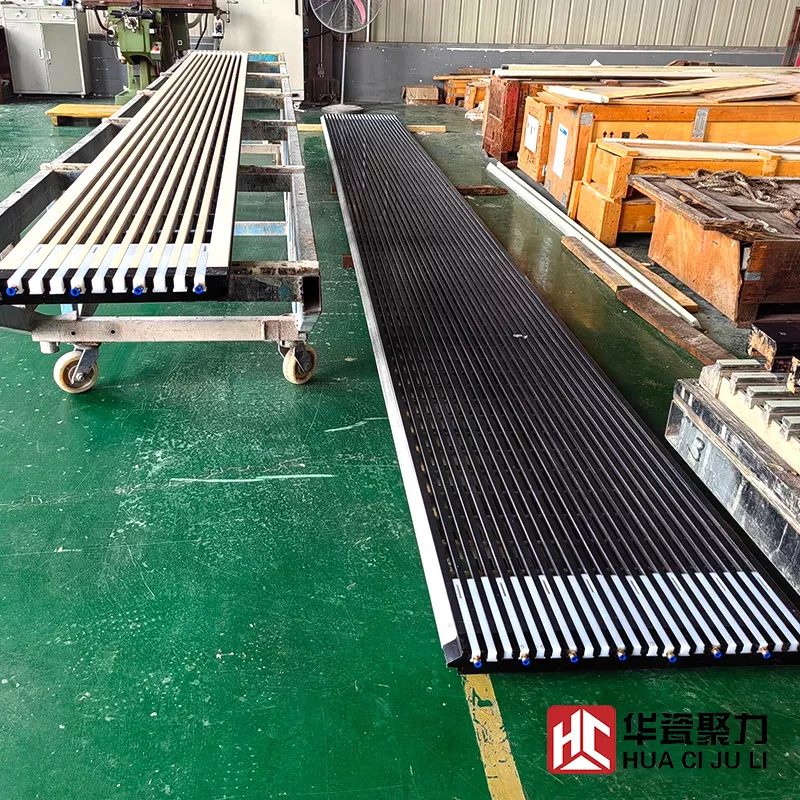
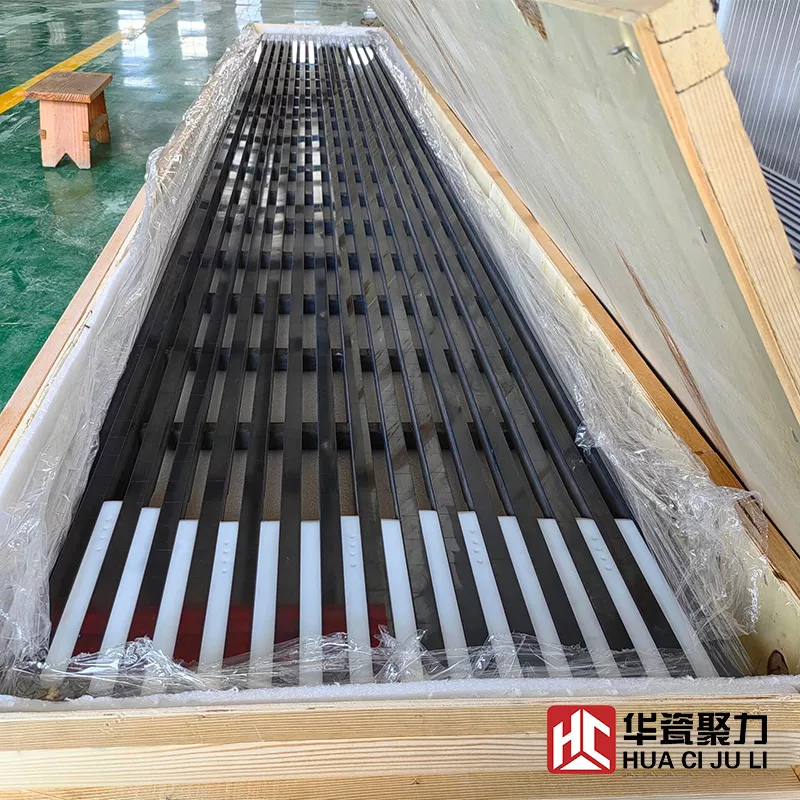
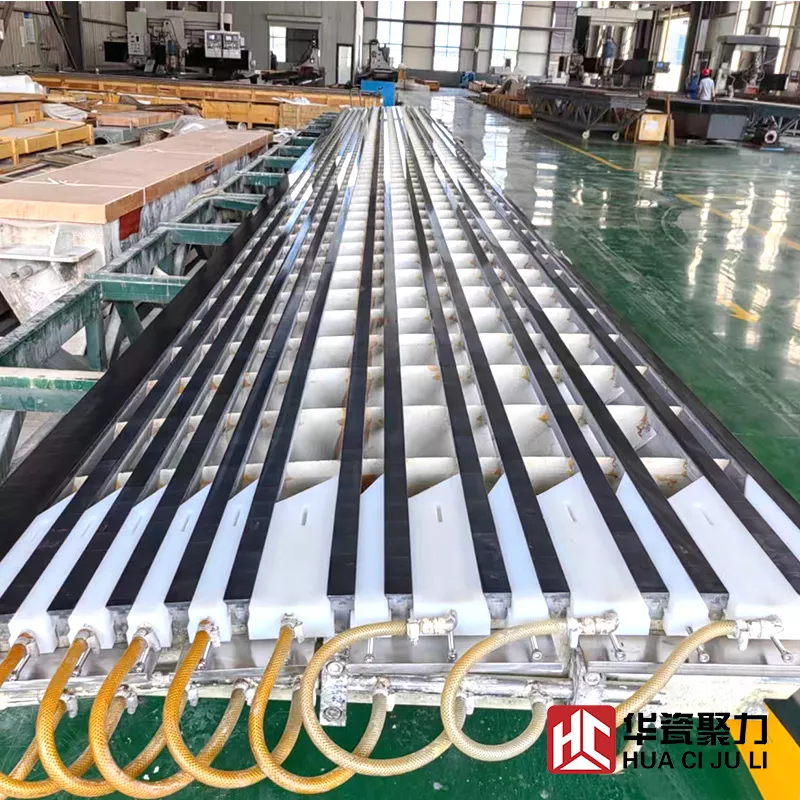
Silicon nitride ceramic curved plate
手机查看产品 浏览量: 0产品类别
材料及含量

产品特点
The performance of silicon nitride ceramic curved plates is based on the properties of the silicon nitride material itself, whose key characteristics include:
1. Excellent Mechanical Properties:
High strength and high toughness: Bending strength is typically above 800 MPa, and fracture toughness can reach 6-7 MPa·m¹/², significantly superior to traditional ceramics such as alumina, making it less prone to damage under load and impact.
High hardness and wear resistance: Vickers hardness can reach HV10 ≥ 1600, providing strong resistance to fretting wear and abrasive wear, making it suitable for long-term service in friction environments.
High elastic modulus: Approximately 310 GPa, giving the material high rigidity and helping to maintain the shape stability of the curved structure under load.
2. Excellent Thermal and Chemical Properties:
Good thermal conductivity: Thermal conductivity is in the range of 20–30 W/(m·K), outstanding among non-oxide ceramics, facilitating heat transfer and dissipation.
Low thermal expansion coefficient and high thermal shock resistance: The thermal expansion coefficient is approximately 2.3-3.2 × 10⁻⁶ /K, much lower than metal materials. Combined with its high strength, it can withstand drastic temperature changes exceeding 800°C without cracking.
Stable chemical inertness: Resistant to corrosion from almost all inorganic acids except hydrofluoric acid, with an oxidation resistance temperature above 1400°C, and non-wetting to many molten metals and non-metals.
3. Other Key Characteristics:
Low density: Density is approximately 3.1-3.3 g/cm³, contributing to lightweight design.
Excellent insulation: Resistivity is higher than 10¹⁴ Ω·cm, possessing excellent electrical insulation capabilities.
Self-lubricating tendency: During friction, especially in the presence of trace amounts of water vapor, a silicon dioxide lubricating film may form on the surface, helping to reduce the friction coefficient.
产品详情
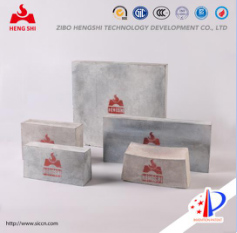
Silicon nitride ceramic curved plates are high-performance structural ceramic components made from silicon nitride (Si₃N₄) as the base material, manufactured through precision molding and sintering processes to create plate-shaped products with a specific curvature. These components combine the excellent overall properties of silicon nitride ceramics with the application adaptability provided by the curved structure, and are used in various high-end industrial fields.
Manufacturing process and specifications of curved panels
The manufacturing of curved plates inherits the mature process route of high-performance silicon nitride ceramics, mainly including:
1. Powder processing and molding: High-purity α-Si₃N₄ powder is used, with precisely proportioned sintering aids (such as Y₂O₃ and MgO) added. Curved green bodies are prepared through methods such as dry pressing, isostatic pressing, or injection molding.
2. Sintering and post-processing: The core process is gas pressure sintering (GPS) or hot isostatic pressing (HIP), involving high-temperature sintering under a high-pressure nitrogen or inert gas atmosphere to obtain high density (>99.2% theoretical density) and excellent performance. HIP post-processing can further eliminate internal defects and improve performance by 10–15%.
3. Precision machining: The sintered curved blanks undergo precision grinding and polishing to achieve the required dimensional accuracy, curvature, and surface finish (polishable to a mirror finish of Ra0.02).
4. Specifications: The dimensions of the curved plates (such as radius of curvature, arc length, and thickness) can usually be customized according to application requirements.
Application areas
The perfect combination of its curved structural design and material properties makes silicon nitride ceramic curved plates suitable for the following applications:
1. High-end bearings and sealing components: As curved raceways for hybrid ceramic bearings or all-ceramic bearings, and as curved contact surfaces for sealing rings, used in high-speed, high-temperature, corrosive, or poorly lubricated environments, such as precision machine tool spindles, turbomolecular pumps, and chemical pumps and valves.
2. Semiconductor manufacturing equipment: Used in wafer transfer systems and chamber linings, requiring specific curvature, high cleanliness, and resistance to plasma etching.
3. Industrial automation and measurement: As curved sliders for precision guide rails, or as curved reference surfaces for sensors or measuring platforms, providing a high-rigidity, low-friction, and stable operating interface.
4. High-temperature and thermal shock resistant components: Such as high-temperature furnace linings and curved support components for temperature measurement protection tubes, utilizing their excellent high-temperature stability and thermal shock resistance.
5. Wear-resistant structural components: Used as irregularly shaped wear-resistant liners and guide plates in wear-resistant applications involving sliding or rolling contact.
Advantages compared to other ceramic materials
In applications requiring a balance of mechanical strength, wear resistance, thermal stability, and insulation in curved structures, silicon nitride ceramics offer comprehensive advantages compared to other materials:
1. Compared to alumina (Al₂O₃): It comprehensively outperforms alumina in thermal conductivity, flexural strength, fracture toughness, and thermal shock resistance, making it more suitable for curved components subjected to mechanical stress and thermal cycling.
2. Compared to aluminum nitride (AlN): It exhibits significant advantages in fracture toughness, oxidation resistance, and overall mechanical reliability, overcoming the problems of high brittleness and easy oxidation at high temperatures of AlN.
3. Compared to silicon carbide (SiC): Although its thermal conductivity and high-temperature strength are not as good as SiC, its fracture toughness and tribological properties (especially lower friction coefficient against metals) are superior, making it more reliable in curved applications involving impact, vibration, or contact with metals.
4. Compared to zirconia (ZrO₂): It is superior to zirconia in hardness, high-temperature stability, thermal shock resistance, and thermal conductivity, making it more suitable for curved components in high-temperature or fluctuating temperature environments.
贸易信息
| 可接受的付款方式 |